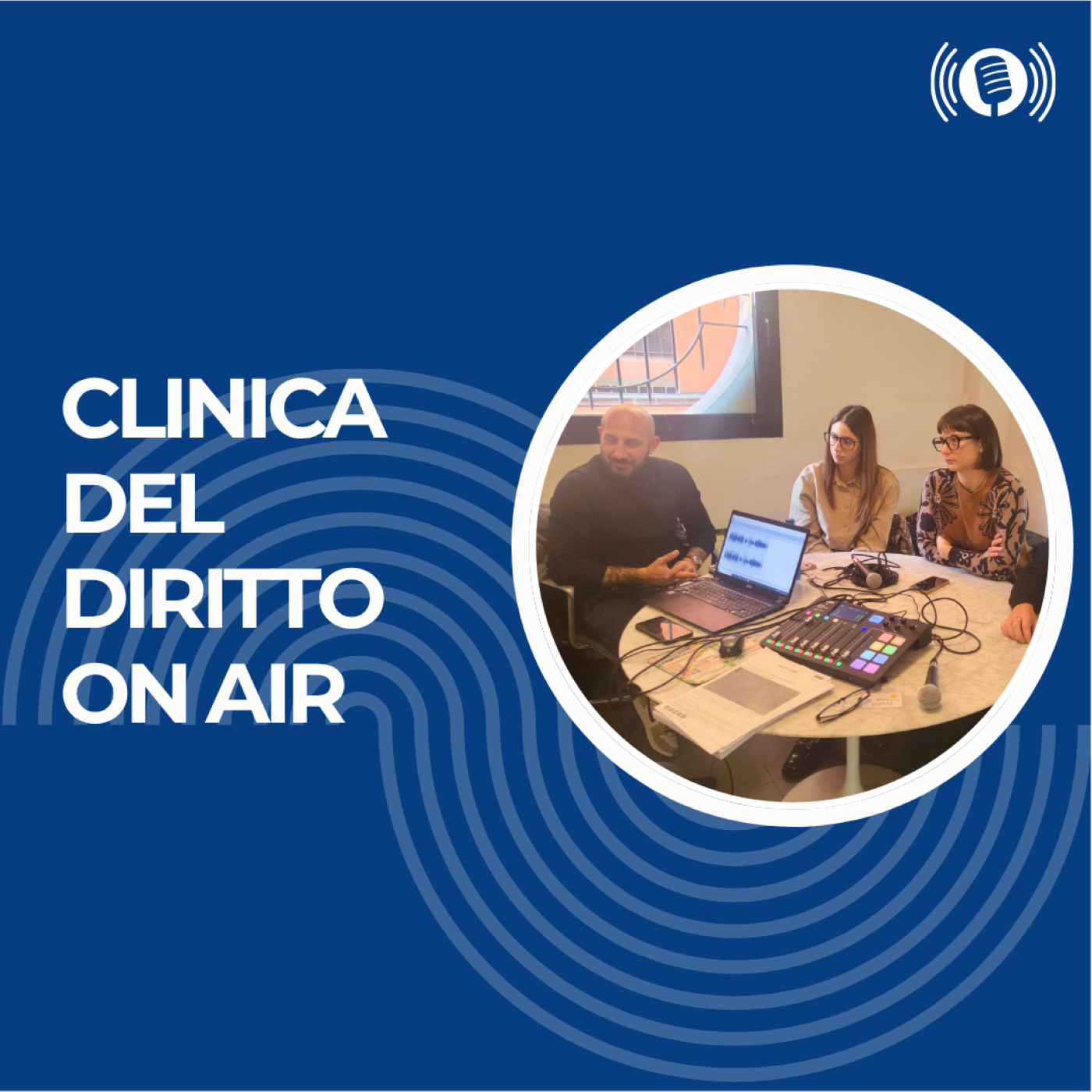
Episodio 4 - Il nesso causale. L'ultima notte di Samir
La puntata è incentra sulla nuova analisi di un caso di omicidio preterintenzionale da parte della Clinica del Diritto dell'Università di Bologna per valutare di presentare una istanza di revisione del processo.
Il 4 ottobre 2018, sotto i portici di un centro emiliano, si verifica un alterco tra diverse persone in stato di alterazione alcolica, in esito al quale un uomo muore. Secondo l’accusa il responsabile è uno degli uomini presenti e coinvolti nell’alterco, che viene tratto a giudizio con l’accusa di omicidio preterintenzionale, poiché avrebbe sferrato un violento pugno al volto della vittima, facendolo cadere e sbattere la testa a terra, causando un'emorragia cerebrale fatale. L’imputato viene condannato in primo grado a 8 anni di reclusione per omicidio preterintenzionale.
Sotto la guida della Prof.ssa Laura Bartoli e dell'Avv. Riccardo Gennasi, un gruppo di studenti della Clinica Legale dell’Università di Bologna ha riesaminato gli atti e i filmati per ipotizzare una revisione della sentenza.
Episodio 3 - Il conflitto delle versioni
La puntata si occupa di un caso di violenza sessuale affrontato dalla Clinica Legale dell’Università di Bologna. Nel periodo tra gennaio e febbraio 2023 a Bologna, due ragazze minorenni, seguite dai servizi sociali per situazioni di fragilità, incontrano in più occasioni in alcuni bar un uomo trentenne. A seguito di segnalazioni da parte delle strutture di supporto, scatta la procedura del Codice Rosso per presunta violazione dell'art. 609-bis c.p. (violenza sessuale aggravata su minorenni).
L'accusa sostiene che l'uomo abbia offerto alcolici e sostanze stupefacenti alle ragazze per ridurne le difese e palpeggiarle. L'indagato, assistito dall'avvocato clinico Simone Romano, sceglie di non avvalersi della facoltà di non rispondere durante l'interrogatorio, ma mette a disposizione il proprio smartphone per l'estrazione forense e il takeout dei dati dai social network. Dalle chat e dai messaggi vocali emergono conversazioni in cui erano le stesse ragazze a proporre gli incontri, organizzando appuntamenti a sfondo sessuale anche in date successive ai presunti abusi.
Le studentesse della Clinica Legale dell'Università di Bologna, sotto la guida della prof.ssa Laura Bartoli, offrono un approfondimento giuridico sul tema della valutazione della credibilità della persona offesa dal reato e analizzano la normativa in tema di consenso nei reati di violenza sessuale.
Episodio 2 - Una discriminazione indiretta. La battaglia di Claudio
La puntata narra la vicenda di un dipendente del settore logistica e trasporti affetto da una patologia cronica, invalidante e ingravescente, licenziato dall'azienda per il superamento del periodo di comporto. Gli studenti della Clinica Legale dell’Università di Bologna, unitamente al Prof. Giulio Centamore ed alle avvocate cliniche Mara Congeduti e Sabrina Pittarello, individuano una strategia di tutela del lavoratore equiparando la sua condizione a quella di handicap/disabilità.
La puntata affronta il concetto di discriminazione indiretta (operata consapevolmente dal datore di lavoro) e le strategie legali individuate dalla Clinica Legale per opporsi ad un licenziamento all’apparenza “formalmente legittimo”, offrendo una opportunità pratica di problem solving giuridico su un "caso di frontiera".
Episodio 1 - Il Coraggio di Ravi
La puntata affronta la storia reale di una giovane donna indiana sposata con un uomo bengalese in un matrimonio combinato, vittima per anni di gravi violenze domestiche, psicologiche, economiche e abusi sessuali da parte del marito, spesso avvenuti in presenza della figlia minore.
Dopo anni di sofferenze a seguito del trasferimento in Italia e della nascita della figlia, la situazione precipita a fine 2022. La donna trova il coraggio di sporgere denuncia-querela.
Il caso giudiziario ha impegnato un gruppo di studenti della Clinica Legale del Dipartimento di Scienze Giuridiche dell'Università di Bologna, che insieme alla Prof.ssa Elena Ferioli e le avvocate cliniche Stefania Arrivabene e Ilaria Bitonti hanno elaborato una strategia di tutela legale della donna e della figlia, sotto il duplice profilo del procedimento civile e penale.

#78 - Lucio Dalla e la comunicazione attraverso la musica
Lucio Dalla, cantautore, compositore, polistrumentista e attore, ha pronunciato la sua lezione dottorale il 9 luglio 1999 in via Zamboni 33 in occasione della cerimonia di conferimento della Laurea ad honorem in Discipline delle arti, della musica e dello spettacolo dell’Università di Bologna.